Protein: Structure and Biological Roles
A comprehensive exploration of protein chemistry and physiological importance.
Protein Chemistry
Proteins are complex polymers composed of amino acids linked by peptide bonds. Twenty standard amino acids combine in different sequences to create proteins with diverse functions.
Amino acids are categorized as essential (nine must be obtained from diet) and non-essential (the body can synthesize eleven). Complete proteins contain all nine essential amino acids; incomplete proteins lack one or more.
Understanding protein structure is fundamental to understanding how dietary protein contributes to physiological function.

Protein Functions
Proteins perform essential roles throughout the body. Enzymes (protein catalysts) accelerate biochemical reactions. Antibodies provide immune defense. Hormones regulate physiological processes. Structural proteins form tissues including muscle and collagen.
These diverse functions depend on having adequate dietary protein and a complete amino acid profile.
Dietary Protein Sources
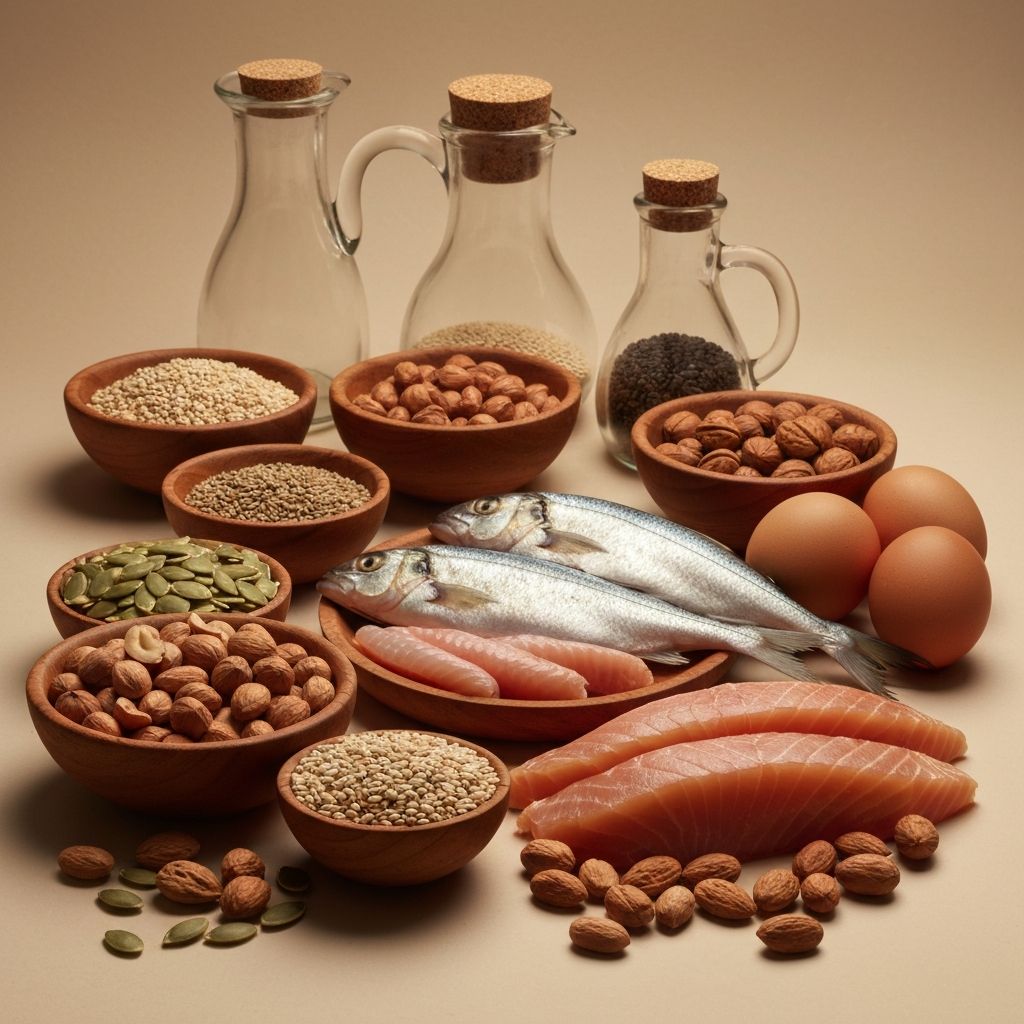
Animal sources (meat, poultry, fish, eggs, dairy) typically provide complete proteins with all essential amino acids in abundant quantities. Plant sources (legumes, nuts, seeds, grains) often provide incomplete proteins but can be combined to achieve complete amino acid profiles.
Each source brings additional nutrients—animal proteins often include B vitamins and iron; plant proteins typically include fiber and phytonutrients.
Protein Metabolism
When consumed, proteins are broken down into individual amino acids during digestion. These amino acids are absorbed and transported through the bloodstream. The body uses amino acids to synthesize new proteins and other nitrogen-containing compounds.
Protein synthesis rates depend on adequate amino acid availability, sufficient energy intake, and other metabolic factors.
Protein Intake Recommendations
Scientific recommendations for protein intake vary based on age, sex, activity level, and health status. General guidelines suggest intake measured in grams per kilogram of body weight, with variations for sedentary, active, and athletic populations.
Research continues to clarify optimal protein intake for different physiological states and age groups.
Important Context
This article presents educational information about protein science. Individual protein requirements vary by age, activity, and health status. Consult healthcare professionals for personalized dietary guidance.